
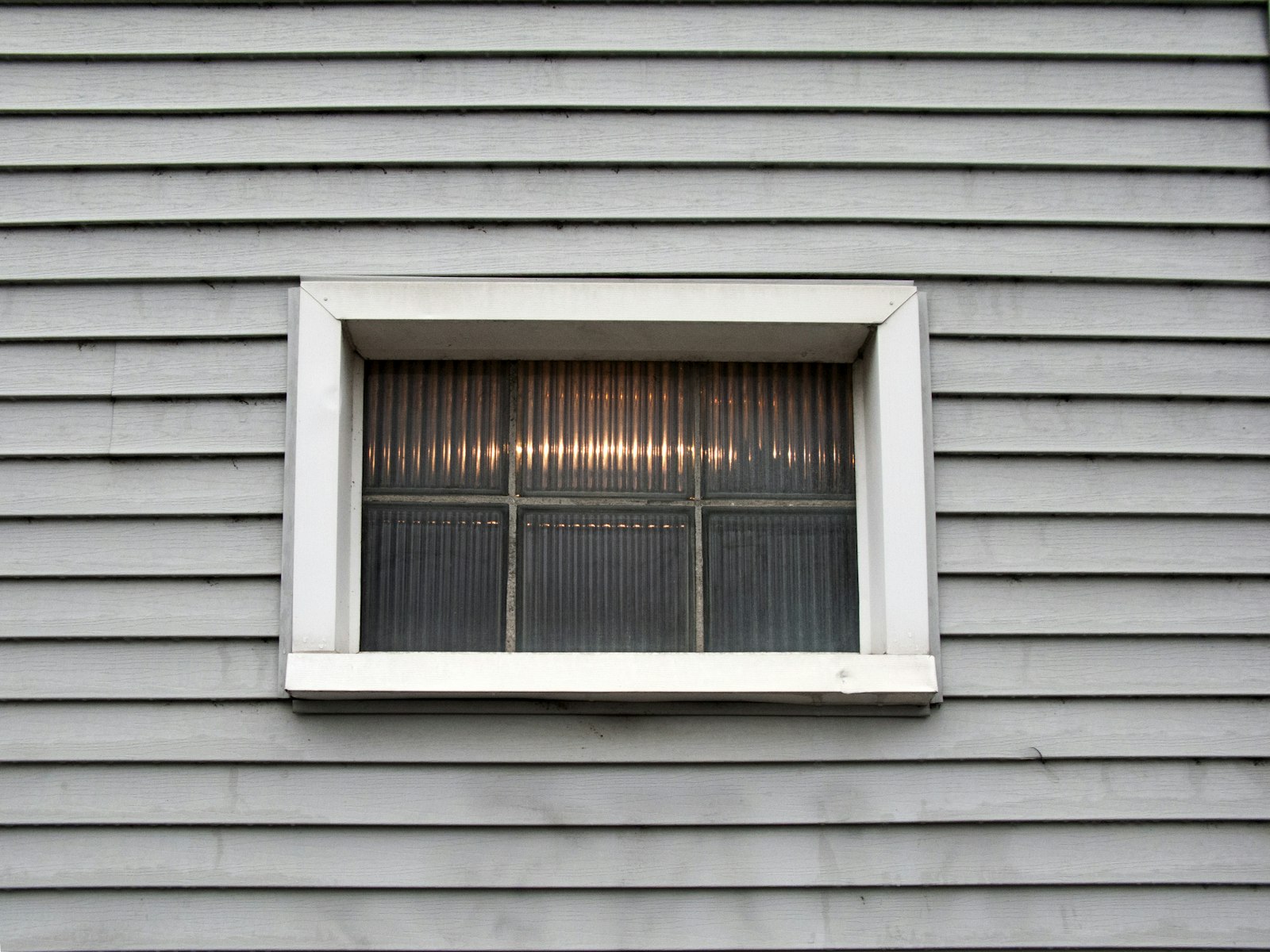
It's usually time to replace your siding when you see widespread cracking, warping, rot, loose or missing pieces, hail damage, moisture getting behind the walls, or paint that won't stay put no matter how often you refresh it. In Sherman, Denison and across North Texas, hail, wind, and long summers of intense sun and heat speed up that wear, so it pays to look closely at your siding at least once a year and after every big storm.
Here's what to look for, and how to tell a repair from a replacement.
Why is North Texas so hard on siding?
Siding is your home's first line of defense, and North Texas weather tests it constantly:
- Hail: Spring storms can dent, crack or chip siding, sometimes in ways that aren't obvious from the street.
- Wind: Strong gusts can loosen or tear off pieces, especially if they're already weakened.
- Heat and sun: Long stretches of triple-digit heat and strong UV can fade colors, dry out materials and cause some siding to warp or crack.
- Temperature swings: Expansion and contraction over the seasons can open gaps and loosen fasteners.
- Moisture: Heavy rains followed by dry spells can expose weak spots where water gets in.
What are the signs my siding needs to be replaced?
Cracks, holes and chips
A few small cracks may be repairable. But widespread cracking, especially after a hailstorm, can let water behind the siding and is often a sign of a larger problem.
Hail dents and impact damage
Look for dents, chips or broken pieces, particularly on the sides of the house that faced the storm. Hail damage is easy to miss from the ground, so look closely after storms. If you've had a significant storm, it's worth checking with your homeowners insurance about next steps. Pro Source works with homeowners insurance on storm and hail damage claims.
Warping, bulging or buckling
Siding that's wavy, bowed or pulling away from the wall may have been affected by heat or may have moisture behind it. Either way, it's worth a closer look.
Rot, soft spots or mold
On wood or wood-based siding, press gently on suspicious areas with a screwdriver. Soft or crumbling spots usually mean moisture damage. Mold, mildew or dark streaks can also point to trapped moisture.
Loose or missing pieces
After a windy storm, walk around the house. Missing or flapping pieces leave the wall exposed and should be addressed promptly.
Fading and chalky paint
Some fading is normal over time. But if the color is badly faded, or paint keeps peeling and chalking shortly after repainting, the siding itself may be wearing out.
Signs inside the house
Siding problems don't always show up outside. Watch for:
- Peeling paint or wallpaper on exterior walls
- Water stains or moisture on interior walls
- Rooms that are harder to keep cool than they used to be
Rising energy bills
Damaged or gapped siding can make it harder to keep the house comfortable, especially during a North Texas summer. Many factors affect energy bills, but deteriorating siding can be one of them.
Can siding be repaired instead of replaced?
Sometimes. Repair can make sense when:
- Damage is limited to a small area
- Matching replacement pieces are available
- The rest of the siding is in good shape
Replacement often makes more sense when:
- Damage is widespread
- Moisture has gotten behind the siding in multiple areas
- The siding is old and worn throughout
- Matching materials for repairs aren't available
Should I paint my siding or replace it?
If your siding is structurally sound and the main issue is faded or worn paint, a fresh coat of exterior paint may be all you need. Pro Source handles full exterior painting as well as siding, so we can help you sort out which makes more sense for your home. If the siding itself is cracked, warped or rotting, paint won't fix the underlying problem.
What should I think about when choosing new siding?
- Durability: How well does it handle hail, heat and wind?
- Maintenance: How often will it need painting or upkeep?
- Look: Does it fit your home's style and your neighborhood?
- HOA rules: In many neighborhoods, including much of Frisco and McKinney, exterior material and color changes may require HOA approval.
- Permits: Some cities require permits for siding replacement. Homeowners typically handle permits, so check with your city.
Pro Source works with all the common siding materials, so you can talk through the options during your estimate.
How often should I inspect my siding?
A good habit is to walk around your home:
- At least once a year
- After every significant hail or wind storm
- Before and after summer
Take photos so you can compare over time.
Frequently asked questions
How do I know if hail damaged my siding? Look for dents, cracks, chips and broken pieces, especially on the side of the house that faced the storm. Damage can be easy to miss from a distance, so look up close.
Can I just replace the damaged sections of siding? Sometimes, if the damage is limited and matching material is available. Widespread damage usually calls for replacement.
Does Pro Source replace siding in Sherman and Denison? Yes. Siding is one of Pro Source's construction services across North Texas, including Sherman, Denison, McKinney, Frisco and nearby areas. It's a call-for-estimate project.
Do I need a permit or HOA approval for new siding? It depends on your city and neighborhood. Homeowners typically handle permits and HOA approval, so check with your city and your HOA before starting.
Do you work with homeowners insurance on hail damage? Yes. Pro Source works with homeowners insurance on claims for storm and hail damage. Your insurance company decides what's covered.
Protecting Your Investment
Your siding protects everything behind it. If yours is showing its age or took a beating in the last storm, call or text Brian at (720) 262-1714, or request an estimate on our website. Pro Source Construction brings decades of experience to homes across North Texas.